Projects/CI Chemical Injection, Transfer and Solar Skids
Flagship project · Process Skids

Design, Manufacturing & Testing of 24 CI, Chemical Transfer & Solar Skids

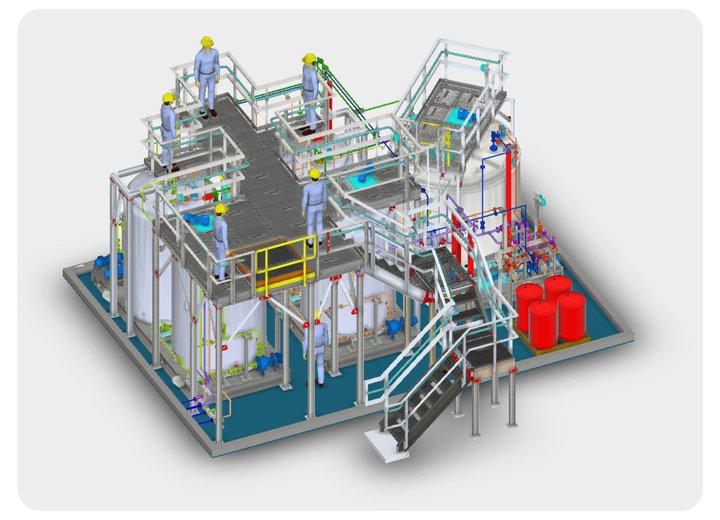
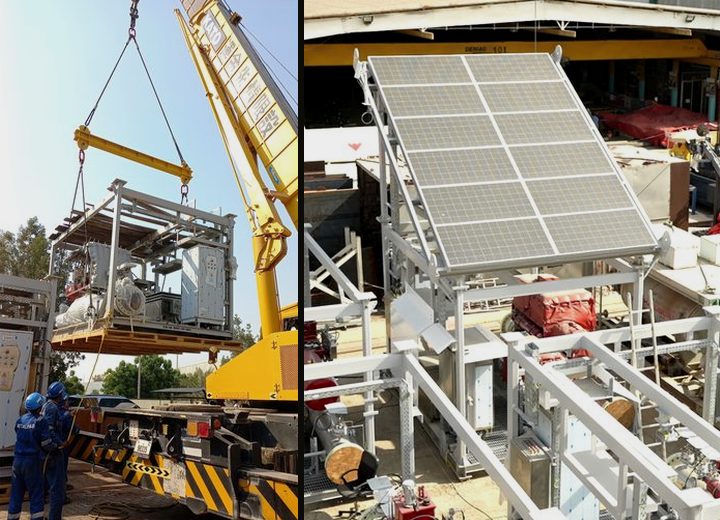
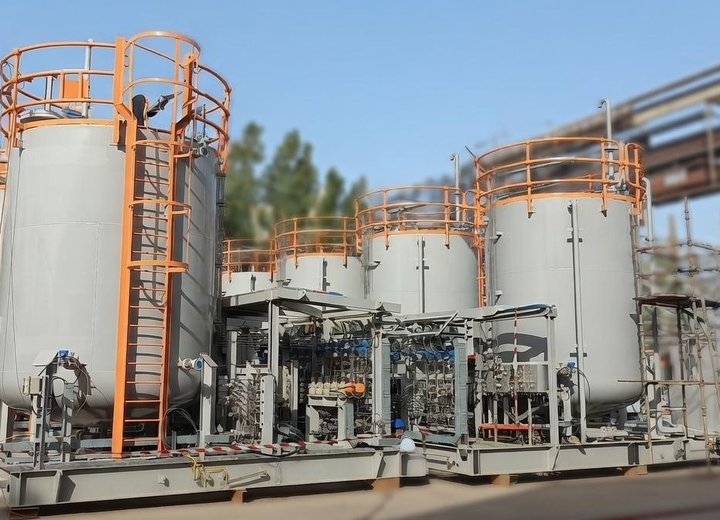
Chemical injection, transfer, and solar power skids for BP’s Rumaila Operating Organisation, Iraq: 8 packages × 3 skid types, delivered under a consolidated contracting model from the UAE.

Customer
Rumaila Operating Organisation Rumaila Operating Organisation
Role
Lead Project Engineer
Contracting
Consolidated engineering + fabrication
Standards
ASTM/ASME · API · ACI · BP ROO Standards

01 · Introduction

CI Chemical Injection, Transfer and Solar Skids was INTECH’s second BP skids project, following HIPPS. The scope was 8 packages × 3 skid types (chemical injection, transfer, and solar power) for BP’s Rumaila Operating Organisation in Iraq, fabricated in UAE. Lessons from HIPPS shaped the commercial structure before fabrication started: the consolidated engineering-plus-fabrication contracting model was recommended on the basis of HIPPS integration-stage data and applied at the contracting decision.

When execution came to a standstill midway and the end customer’s schedule was put at risk, I mobilised to the fabrication facility as part of an expediting team to bring the project back on track. We compressed procurement cycles, worked directly with the contractor’s engineers, engaged OEMs, and closed out punch-list items both on-site and remotely from Pakistan. All 24 skids were delivered within the timeline agreed with the customer.

There were no fabricator-originated change orders across the full scope, a direct result of the consolidated contracting model recommended from HIPPS evidence. Engineering-led specification reviews at design stage and remote punch resolution during execution avoided significant direct cost, and the PO cycle came down from 4 weeks to 1 week. The augmentation pattern and the contracting model were both carried forward to Zeon Chemicals USA.

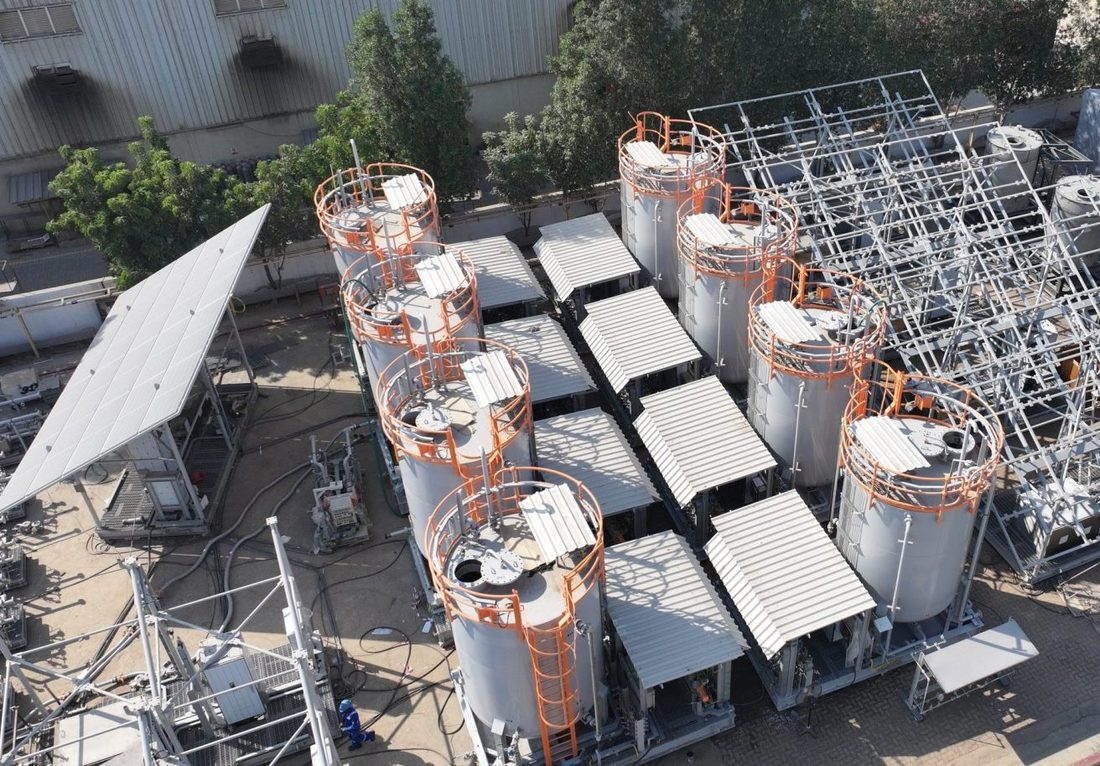
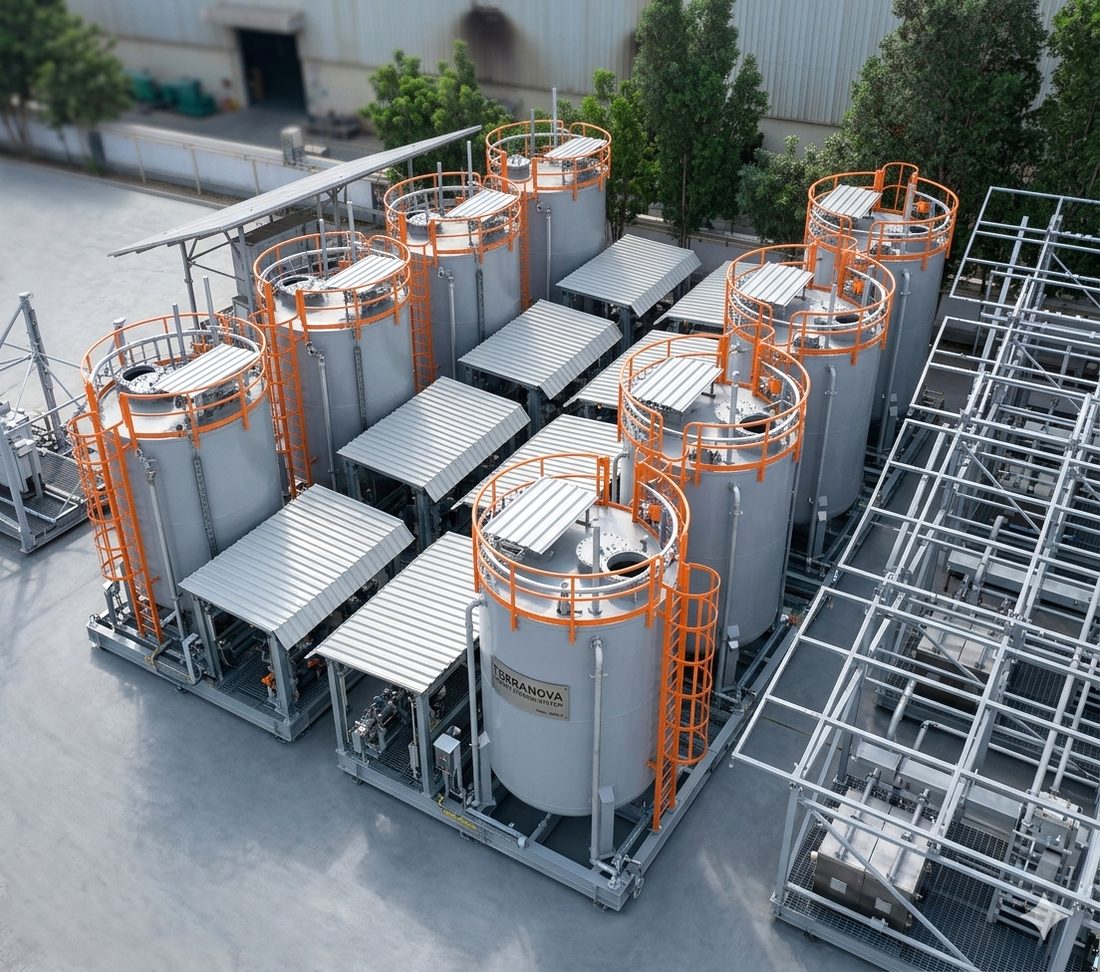
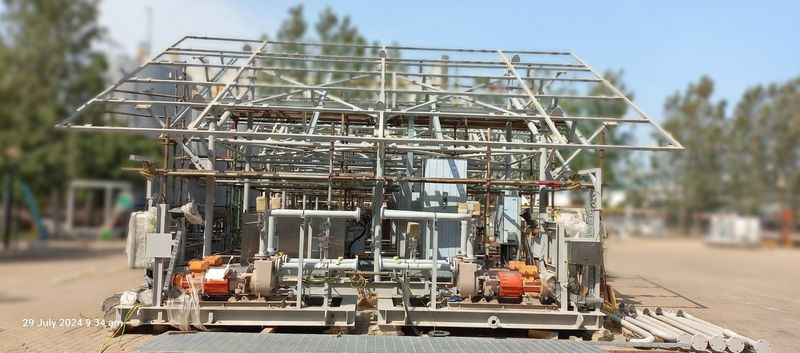
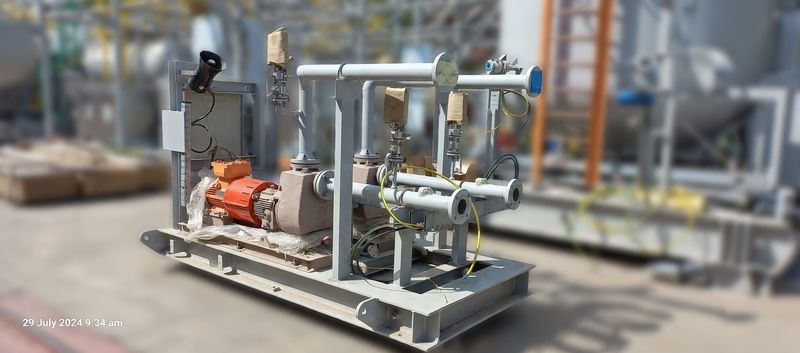
CI Transfer and Solar skids — top view at the UAE fabrication facility
CI / Transfer / Solar skids, top view, UAE fabrication facility

The five engineering and commercial challenges below defined how the project was structured and delivered.

02 · Five technical challenges

Five challenges that spanned contracting structure, project recovery, and engineering cost discipline.

The five challenges range from applying HIPPS evidence at the contracting stage to closing a check-valve punch remotely at under 3% of the default remediation cost, across the commercial, execution, and engineering scope of the project.

01 / 05

Design-phase cost engineering: approximately USD 45K avoided through engineering queries (EQs)

Using Engineering Queries as a source of formal customer approvals to control cost during design.

Problem

During detailed design on a cost-constrained project, I identified opportunities to align several deliverables more closely with the actual engineering need, such as valve specifications carried over from previous projects and lifting calculations planned for outsourcing. The usual approach would have been to proceed with the baseline scope and manage costs separately.

Approach

Raised Engineering Queries with BP to challenge inherited valve specifications where the technical need was lower than specified, demonstrating fit-for-purpose compliance at a reduced specification level and seeking BP approval on technical grounds. Took the lifting calculations in-house after building the required capability, instead of placing an outsource order.

Solution

Approximately USD 39K avoided on valve specifications through BP-approved EQs on painting, NDE, and threaded-valve specifications, and approximately USD 6K avoided on lifting design and calculations through in-house work: approximately USD 45K of direct cost avoided at design and early execution, before the scope was fixed.


02 / 05

Contractor engineering-capability augmentation at engineer-to-engineer level

Preserving a cost-effective fabricator choice by pairing engineers on specific deliverables in real time.

Problem

The fabricator had been selected as a cost-effective execution partner, but its in-house engineering capability was below the project’s documentation standard. Standard vendor-development methods (training sessions, written procedures, review cycles) would not close the gap within the recovery timeline.

Approach

Engaged the seller’s engineers individually through a one-on-one coaching approach, pairing INTECH engineers with specific seller counterparts on assigned deliverables for the duration of each deliverable. This was a self-initiated risk mitigation response, absorbed within project indirect costs rather than established as a formal work package or control account. INTECH engineers did not perform the seller’s scope of work; instead, they coached each seller engineer through the deliverable until it met INTECH’s quality requirements and acceptance criteria.

Solution

Resource augmentation covered mechanical layout reviews, piping isometric validation, structural check details, and QA documentation, scoped per deliverable and per engineer rather than as a general training programme. The cost-effective fabricator remained viable, and INTECH delivered to standard without switching to a higher-cost contractor. The contractor’s engineers improved over the course of the project. The same approach was later applied to the US-based fabricator on the Zeon Chemicals project.

03 / 05

Bringing the project back on track through deployment to the UAE fabrication site; PO cycle reduced from 4 weeks to 1 week

Mobilising to site and shortening procurement cycles to bring the project back on track after a mid-execution standstill.

Problem

By early 2024, CI/Transfer/Solar was at risk of substantial delay. Back-office engineering support had identified the issues, but execution had come to a standstill, and a deployment to the fabricator’s facility in the UAE was required. The standard INTECH PO-to-subcontractor cycle was also running at approximately 4 weeks, which the schedule could no longer absorb.

Approach

Mobilised to the UAE fabrication facility as part of the expediting team and took on on-site project coordination alongside the project manager, covering engineering, procurement, QA/QC, and subcontractor execution in one location. In parallel, worked with supply chain and contracts to shorten the PO cycle by running approvals in parallel rather than in sequence.

Solution

Ran on-site coordination of day-to-day engineering decisions, contractor engineering support (Challenge 2), direct OEM engagement, and punch resolution. With procurement, redesigned the PO workflow to reduce the 4-week cycle to approximately 1 week through staged approvals, real-time technical review, and pre-agreed approval routing. The project was brought back on track and delivered 24 skids on the timeline agreed with the customer. The expediting-team deployment became INTECH’s reference model for bringing late-stage skids projects back on track.

04 / 05

Contracting model improvement: applying HIPPS evidence before execution

Using prior-project data at the commercial-structuring decision, where leverage is highest.

Problem

CI/Transfer/Solar was INTECH’s second BP skids project, following HIPPS. The default was to repeat the HIPPS contracting model, with engineering and fabrication placed with separate firms. On HIPPS, that model had caused integration-stage friction: the interface between the two firms absorbed engineering effort and cost during design-to-as-built reconciliation.

Approach

Proposed consolidating engineering, calculations, and fabrication under a single contractor’s PO for CI/Transfer/Solar. The case was based on HIPPS execution data, showing how the split model had created interface risk that a consolidated model removes, and was presented to the relevant stakeholders with the integration-phase evidence.

Solution

The consolidation recommendation was adopted. With design evolution and fabrication under one contractor, the HIPPS integration-stage interface risk did not recur, and no fabricator-originated change orders were raised across the 24-skid scope. This was the first time HIPPS lessons were applied formally at the contracting stage, where decisions are hardest to reverse.

05 / 05

Check-valve orientation punch resolved remotely: ~USD 18K and 2 months avoided at under USD 500

Remote engineering review of the actual task instead of the default remediation.

Problem

During final review of a completed skid, the orientation of the check valves on the injection pump discharge lines was identified as not aligned with the OEM’s installation requirements. The standard remediation of cutting, reorienting, re-tubing, and retesting was estimated at approximately USD 18,000 and a two-month cycle. This punch item was raised after September 2024, once the expediting team’s deployment to the UAE had concluded and I had returned to Pakistan.

Approach

Working remotely from the installation photos, I questioned the default fix of cutting, reorienting, and re-tubing the check valve, and looked for a way to correct its orientation within the existing installation without cutting. I studied the valve position, the surrounding pipework, and the support arrangement in the photos to confirm whether the valve could be reoriented in place without having to reinstall all the valves and relevant tubing.

Solution

Proposed reorienting the valve in place within the existing framework, without cutting or retubing. The fix was implemented on-site and closed in 2 days at under USD 500 total cost, avoiding approximately USD 18K and 2 months against the default remediation of removing all the valves and modifying the relevant tubing and supports to re-orient them.

03 · Knowledge Transfer

What the project built and handed over

Alongside the engineering work, engineer-to-engineer support kept a cost-effective fabricator viable.

Contractor Augmentation
Resource Augmentation
INTECH engineers worked alongside the UAE fabricator’s engineers on specific deliverables (mechanical layout, piping isometrics, structural checks, QA documentation) for as long as each deliverable required, scoped per deliverable and per engineer rather than as a training programme. The cost-effective fabricator remained viable without switching to a higher-cost alternative. The same approach was later applied to the US-based fabricator’s process engineering on the Zeon Chemicals project.
From
Engineer-to-engineer pairing
What
  • Mechanical layout
  • Piping isometrics
  • Structural checks
  • QA documentation
To
UAE fabricator’s engineers
Fabricator kept viableReapplied on Zeon

04 · Acknowledgement

What the customer and the team said

★ ★ ★ ★ ★Customer Satisfaction Survey · Maximum Rating
“Top rating across every category — project management, customer communication, engineering quality, product quality, FAT arrangements, safety controls, and on-time delivery.”
Richard Bramwell
Commissioning Manager
BP, Rumaila Operating Organisation
BP ROO · CI Skids · Iraq
“Your outstanding efforts in project Fabrication & Integration tracker, team training, and cost management helped INTECH in mitigating the potential risks and errors. Your proactive approach and leadership in identifying and addressing gaps have significantly helped. Your support to team members and contributions to INTECH process improvement are greatly appreciated.”
Usama Tariq
Engineering Manager, Skids
INTECH Automation & Intelligence
All Projects · Direct Manager
Rizwan Shaikh
“Thank you for seeking feedback. Your enthusiasm and contribution to the project is appreciated. You are technically quick and grasp concepts well. Your responsiveness and commitment to the project were notable. Overall, you’re doing well.”
Rizwan Shaikh
Project Manager, CI Skids
INTECH Automation & Intelligence
CI Skids · Project Manager
Ahmed Usman
“He was always supportive and brought a perfect blend of realistic and practical solutions, which helped us manage challenging timelines with ease. His approach to problem solving stood out and often made a real difference on site. I gained valuable technical knowledge and learned how to stay composed under pressure.”
Ahmed Usman
Product Management
Bosch Rexroth (former INTECH trainee)
CI · Former Trainee

Explore my Work

Five flagship deliveries